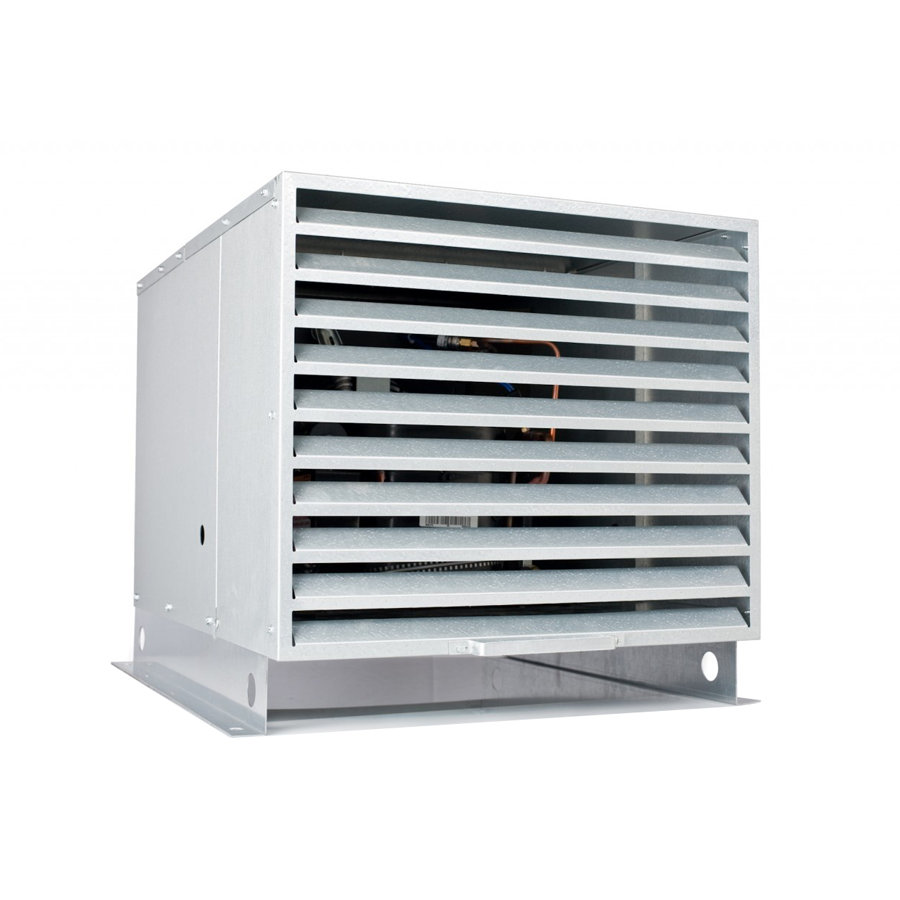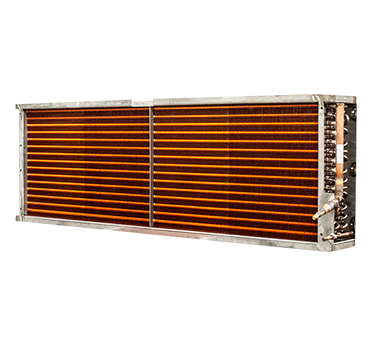
Copper Condenser
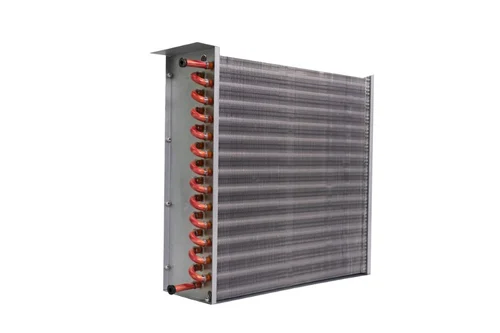
The copper condenser plays a fundamental role in heat transfer and reducing the refrigerant temperature in industrial refrigeration systems such as industrial cold storage, industrial chillers, freezing tunnels, and other commercial refrigeration products. Due to its high thermal conductivity, corrosion resistance, and long service life, this type of condenser is considered an ideal option for industrial and commercial cooling systems.
In the refrigeration process, the copper condenser transfers the heat absorbed by the refrigerant through copper tubes and special fins to the surrounding environment. This feature increases system efficiency and reduces energy consumption.
Tabadol Gostar Booran, as one of the leading suppliers and manufacturers in the refrigeration industry, offers high-quality copper condensers for various applications. These condensers, due to precise engineering design and the use of premium materials, guarantee optimal performance and long-lasting durability.
For more details about the features and benefits of copper condensers, stay with us in the following sections.
Types of Copper Condensers
Copper condensers, depending on the application and heat exchange method, are produced in different models. Choosing the right type of condenser has a direct impact on refrigeration system performance, energy consumption, and equipment lifespan. Below, the main types of copper condensers are introduced.
Air-Cooled Copper Condenser
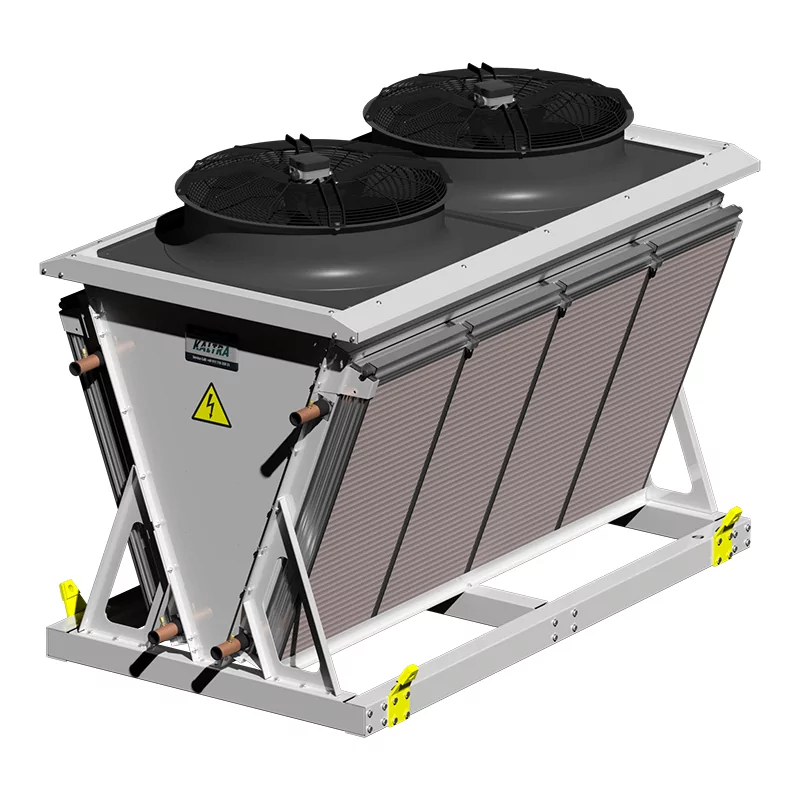
In an air-cooled condenser, air flow is used to transfer heat and cool the refrigerant. Copper tubes and aluminum fins increase the contact surface with air and improve cooling efficiency. Air-cooled copper condensers are widely used in HVAC systems, chillers, and industrial refrigerators.
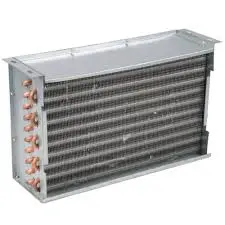
Water-Cooled Copper Condenser
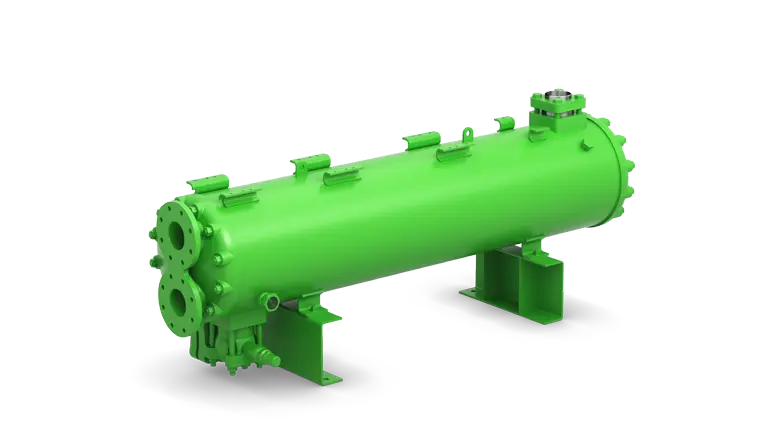
In a water-cooled condenser, water is used as a cooling medium to absorb the refrigerant’s heat and remove it from the system. This type of condenser consists of thin-walled copper tubes that optimize heat transfer. Water-cooled copper condensers are used in cooling towers, industrial chillers, and central HVAC units.
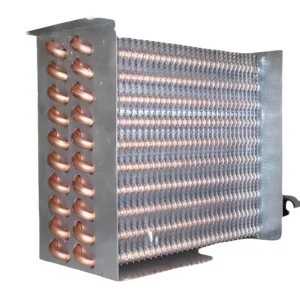
Evaporative Copper Condenser
The evaporative copper condenser is a combination of the two previous types, using both water and air simultaneously to cool the refrigerant. Due to its energy efficiency and powerful performance, this type of condenser is used in large industries such as petrochemicals and power plants.
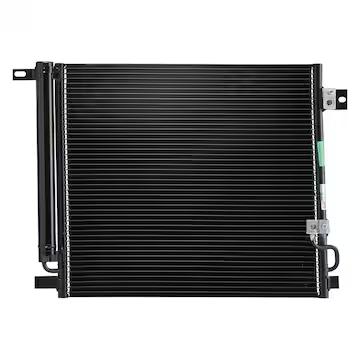
Tabadol Gostar Booran, by offering diverse models of copper condensers, provides specialized solutions to increase cooling system efficiency and reduce operating costs.
Read More:
Copper Condenser Design and Manufacturing
The design and manufacturing of copper condensers require precise engineering calculations and the use of high-quality materials to ensure optimal performance and long lifespan. The process includes the following stages:
- Selection of suitable materials
Copper, due to its high thermal conductivity, corrosion resistance, and durability, is the primary material used in condenser manufacturing. In some cases, aluminum fins are also used to increase heat transfer efficiency.
- Optimized geometric design
The design and construction of copper condensers include determining the number, diameter, and length of copper tubes to maximize refrigerant-to-surface contact. This step is based on cooling capacity requirements, refrigerant type, and environmental conditions.
- Manufacturing and assembly process
During production, copper tubes are bent and properly placed inside the fins. Then, using precise welding and leakage tests, it is ensured that the condenser functions without problems.
- Performance testing
After assembly, copper condensers undergo pressure, leakage, and thermal efficiency tests to verify quality and performance.
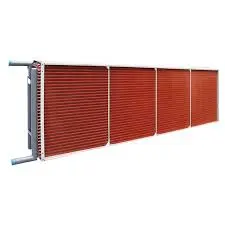
Advantages and Disadvantages of Copper Condensers
Due to their superior thermal and mechanical properties, copper condensers are among the most commonly used options in refrigeration and HVAC systems. However, like any equipment, they have advantages and disadvantages, which are discussed below.
Advantages of Copper Condensers
- High thermal conductivity
Copper is one of the best heat conductors, which increases heat exchange efficiency in condensers and improves refrigeration system performance. - Corrosion resistance
Copper offers higher resistance to moisture and corrosive environments compared to many other metals, which increases the condenser’s lifespan. - High durability and strength
Copper tubes withstand high pressures and temperature changes without significant damage over time. - Easy installation and maintenance
Thanks to flexibility and easy weldability, copper condensers are simpler to repair and maintain than other models.
Disadvantages of Copper Condensers
- High cost
Copper is more expensive than other metals like aluminum and steel, which can increase condenser manufacturing costs. - High weight
Copper condensers are heavier compared to steel condensers, which can be a limitation in certain applications such as portable systems.
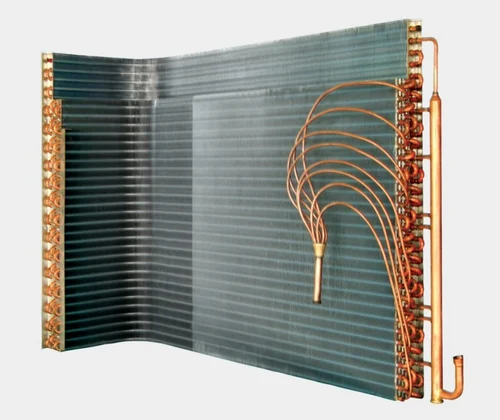
Copper Condenser Price
The price of copper condensers depends on several factors, so a fixed value cannot be assigned. Depending on size, capacity, design type, and material quality, the price varies in the market. Below are some of the main factors influencing copper condenser prices.
- Material and quality of copper tubes
Copper tubes are produced with different thicknesses and alloys, affecting heat transfer efficiency and durability. Using pure or high-quality alloy copper increases the price. - Condenser type
Copper condensers are produced in air-cooled, water-cooled, and evaporative types, with prices varying according to energy consumption, performance, and structural design. - Capacity and dimensions
Condensers with higher capacity and larger dimensions cost more due to greater material use and more complex production processes. - Copper price fluctuations
As a valuable metal, copper is influenced by global market fluctuations, which can affect the final price of copper condensers.
Tabadol Gostar Booran, by offering high-quality copper condensers at competitive prices, provides optimized solutions for reducing refrigeration system operating costs. For consultation and accurate copper condenser pricing, contact our experts.
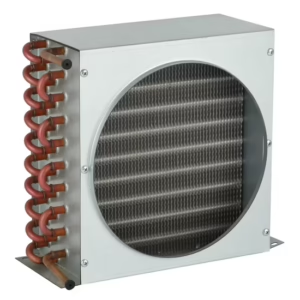
Buying Copper Condenser
Purchasing a copper condenser requires a careful review of technical specifications, refrigeration system needs, and product quality. Choosing the right condenser not only increases cooling system efficiency but also reduces long-term energy and maintenance costs. Below are key buying considerations.
- Condenser type and capacity
Depending on the application (residential, industrial, or commercial), choose between air-cooled, water-cooled, or evaporative condensers. Also, determine the cooling capacity based on system requirements. - Material and quality of copper tubes
Copper tubes must have suitable thickness, high corrosion resistance, and good thermal conductivity to ensure optimal condenser performance. This factor plays a major role in selection and purchase. - Efficiency and energy consumption
Copper condensers with optimized designs and large heat transfer surfaces can reduce energy consumption. Checking energy efficiency standards is highly important when choosing a product. - Warranty and after-sales service
Purchasing from trusted suppliers offering reliable warranties and after-sales service provides greater peace of mind to buyers.
Conclusion
The copper condenser is one of the key components in refrigeration and HVAC systems, playing a vital role in heat transfer and improving cooling system efficiency. Due to high thermal conductivity, long lifespan, and corrosion resistance, they are considered an ideal choice for industrial, commercial, and residential applications.
This article reviewed various types of copper condensers, including air-cooled, water-cooled, and evaporative models. It also discussed the design and manufacturing process, advantages and disadvantages, pricing factors, and important buying considerations. Knowing these details helps users select a suitable condenser while reducing maintenance and operating costs.
Tabadol Gostar Booran, with technical expertise and industry experience, supplies high-quality copper condensers meeting global standards. Choosing the right copper condenser not only enhances efficiency and reduces energy consumption but also extends equipment lifespan. If you are looking for a high-quality and cost-effective condenser, Tabadol Gostar Booran products are the ideal option.
Table of Contents
Our Experts are by your side
If you need consultation or want to start a project, contact us using the form below. Our support team is proudly ready to respond to all your needs.
Copper Condenser FAQ
Answers to the most frequently asked questions from Tabadol Gostar Booran experts:
1. What advantages does a copper condenser have over other types of condensers?
Due to high thermal conductivity, corrosion resistance, and mechanical strength, copper condensers perform better in heat transfer and have a longer lifespan compared to other models, such as aluminum condensers.
2. What factors affect the price of a copper condenser?
The price of copper condensers is influenced by factors such as condenser type (air, water, evaporative), cooling capacity, quality and thickness of copper tubes, global copper price fluctuations, and manufacturer brand.
3. In which industries are copper condensers most commonly used?
These condensers are used in HVAC systems, industrial chillers, commercial refrigerators, the food industry, petrochemicals, power plants, and large cooling equipment.
4. How can the best copper condenser be selected for your needs?
To select the right condenser, factors such as application type, required cooling capacity, environmental conditions, energy consumption, and after-sales service should be considered. Consulting with technical experts can help make a better choice.
5. Is it possible to order a custom-designed copper condenser?
Yes, Tabadol Gostar Booran can design and manufacture copper condensers tailored to specific customer needs. For consultation and placing an order, you can contact the company’s experts.
6. What is the difference between copper and steel condensers?
Because of their high thermal conductivity and flexibility, copper condensers are commonly used in refrigeration systems. In contrast, steel condensers have higher resistance to rust and corrosive environments, making them suitable for high-humidity areas or contact with specific chemicals. However, due to lower thermal conductivity, the heat transfer efficiency of steel condensers is less than copper models.